
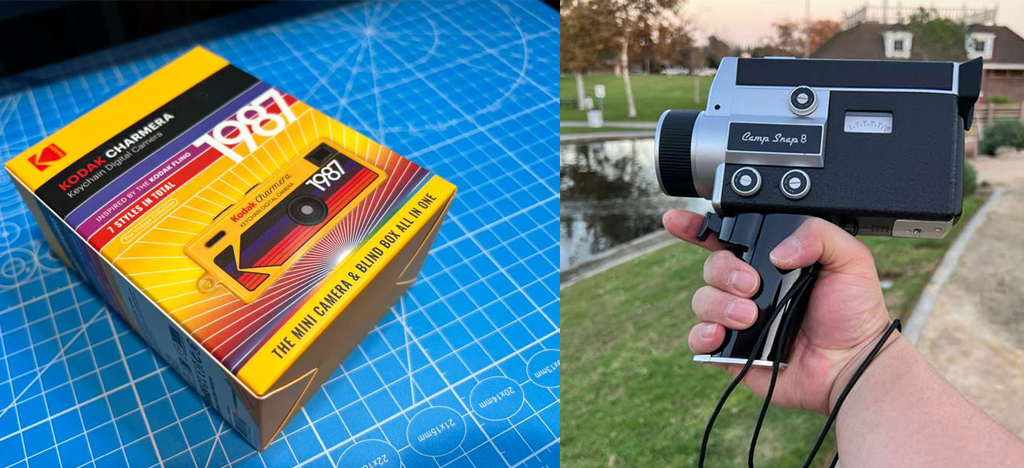
Charmera as Charm + Camera?
Instead of writing a traditional blog post, I wanted to return to something that brought me joy long before blogging ever crossed my mind — taking pictures in the moment with a point-and-shoot camera. Not to document everything, not to curate perfection, but simply to capture what life felt like while it was happening.
Growing up in the late ’80s as a child and then moving through my teenage years in the ’90s, photography was simple and disposable in the best way. Film photography usually came in the form of disposable cameras — easy to use, inexpensive, and not something you worried too much about losing. You could stash one in the back pocket of your baggy jeans, pull it out when something felt worth remembering, and then put it away again without a second thought.
That simplicity was freeing. There were no settings to obsess over, no previews to review, and no pressure to get it “right.” You took the shot and moved on. That was it. And somehow, that made the memories feel more honest.
Remembering the Old Gear
I also remember my family’s old camcorder — the kind that felt wider than most carry-on luggage and about the same thickness (okay, I exaggerate, but only slightly). It required planning just to bring along. Extra batteries. VHS tapes. A separate bag just to carry everything. And even then, it could only record a fraction of what our phones casually store today. We never owned a Super 8 camera back then. It always felt like something reserved for filmmakers or families with deeper pockets. The idea of capturing life on motion film existed mostly as a dream — something admired from a distance.
Rediscovering the Feeling
That’s why cameras like the Kodak Charmera and Camp Snap CS-8 resonate with me now. Not because they’re technically impressive, but because they recreate a feeling that modern devices often strip away. They return photography and videography to something tactile, imperfect, and intentional.
The Charmera brings back the joy of still images that feel more like memories than records. Soft edges. Missed focus. Moments caught mid-motion. It doesn’t ask you to stop and perfect the shot — it asks you to notice it.
The CS-8, on the other hand, finally lets me touch that Super 8 dream in a modern way. It’s not film, but it carries the same spirit. You press record knowing you’re committing to the moment. You don’t overshoot. You don’t endlessly review. You trust the experience.
Limits That Create Freedom
One of the things I appreciate most about both cameras is their limitation. They don’t try to be everything. They don’t compete with smartphones. They exist alongside them, offering a different relationship with memory. The CS-8 arrives with just the essentials: the camera itself, a pre-installed microSD card, and a USB-C charging cable. No lanyard. No accessories pushing you toward more consumption. It feels deliberate — like an invitation to keep things simple.
Those limits create freedom. When you’re not worrying about resolution, stabilization, or storage, you’re free to focus on what’s happening in front of you. The camera becomes secondary to the moment again.
A Chronological Journey Backward
Using these cameras feels like moving backward through time in the best way. Not to escape the present, but to reconnect with how we once experienced it. There’s a rhythm to point-and-shoot photography that modern devices have lost — shoot, pocket, move on. That rhythm encourages presence. You’re not pulled into editing, sharing, or comparing. You’re still there, still part of the moment, still moving with life as it unfolds.
Not About Specs, But Memory
This isn’t about specs, megapixels, or performance benchmarks. It’s about charm — and yes, that’s where “Charmera” fits so perfectly as both charm and camera. These tools don’t chase perfection. They chase feeling.
The images and clips they produce aren’t meant to impress. They’re meant to remind. To bring you back to how something felt rather than how sharply it appeared.
Why This Matters Now
In a world where documentation is constant and often performative, choosing imperfection becomes an act of intention. These cameras remind me that not everything needs to be shared instantly or refined endlessly. Some moments are better kept slightly blurred, slightly grainy, and fully lived.
That’s what this journey with the Charmera and CS-8 is really about. Not nostalgia for nostalgia’s sake, but reclaiming a way of seeing that values presence over polish.
Carrying the Charm Forward
This post marks the beginning of that journey. A return to capturing moments the way they once were — quickly, imperfectly, and with heart. The cameras are simply the tools. The real focus is the experience.
And that’s something worth holding onto.
When in stock you can get yours here as well: Amazon
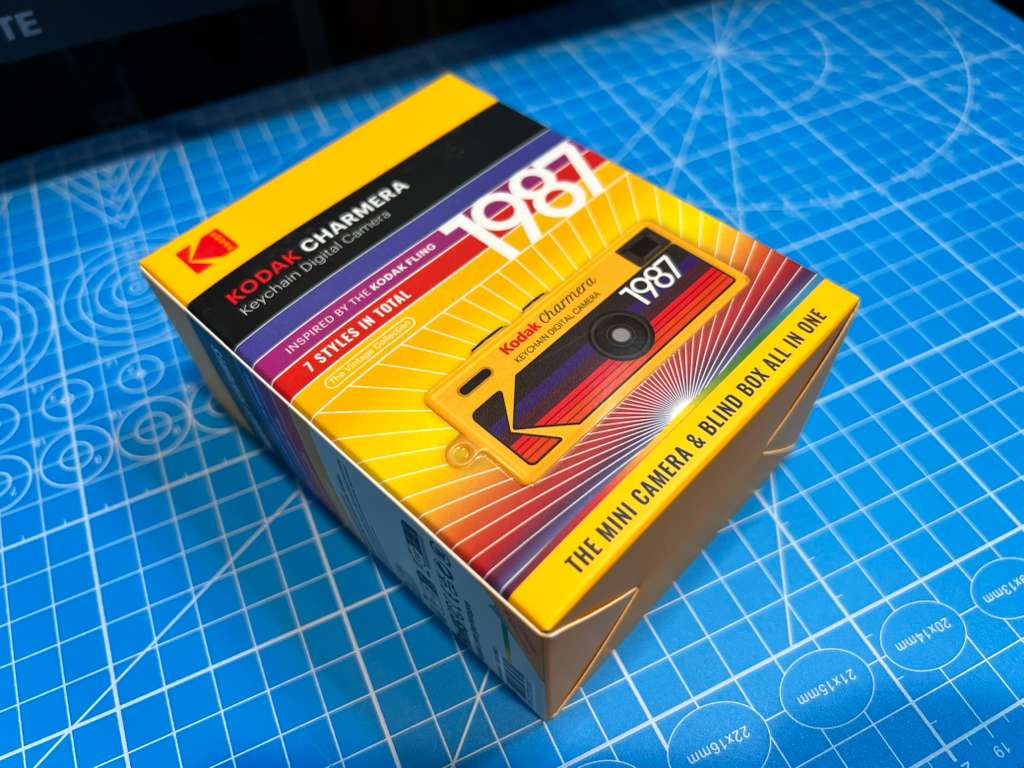
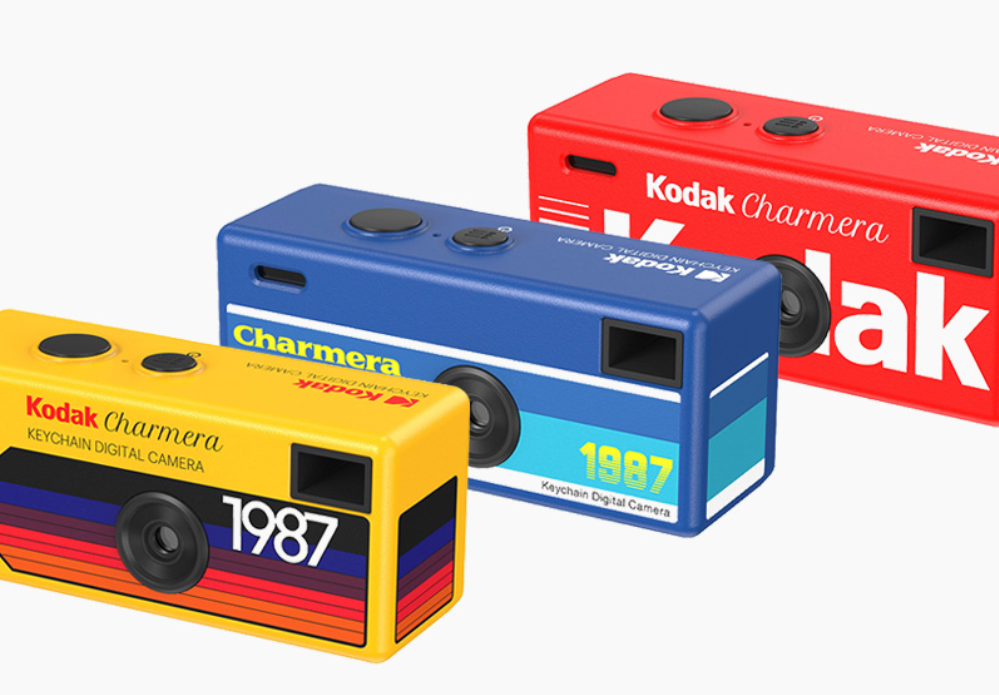
Manufactured by Reto Project, the Kodak Charmera Keychain Digital Cameras are pocket-sized gadgets designed to look like the Kodak Fling, the iconic disposable camera first launched in 1987. Unlike their single-use inspiration, these are fully digital, capable of snapping photos and recording videos – all while being small enough to clip onto your keychain. Just pop in a Micro SD card, and you’re ready to capture memories on the go.
Why not just use your phone? I could, but that doesn’t have the same feel as the good ol’ point-and-shoot and move on to live in the moment.
It’s not as good as a smartphone camera! Yes, I know it’s not and that’s the beauty of it. It’s just whimsically good enough for retro photography.
Kodak Charmera Keychain Digital Camera Specs
Dimensions: 58(W) x 24.5(H) x 20(D) mm, weighing at 30 grams
Material (outer): ABS plastic
Lens: 35mm F2.4
Image Sensor: 1/4 inch CMOS
Image Output: 1440 × 1080
Image Format: JPEG
Video Frame Rate: 30 fps, AVI
Storage: Micro SD card (card not included) (1GB to 128 GB)
Battery: 200mAh Rechargeable with USB-C (included)
Fun Fact for the Fling’s successor (pre-Charmera), the Kodak FunSaver
If you grew up in the ’90s, chances are you remember the Kodak FunSaver. Pre-loaded with Kodak Gold 35mm film and often packing a built-in flash, it was the go-to disposable camera for school dances, summer trips, and everyday adventures. Affordable, durable, and easy to use, the FunSaver became a cultural staple of the decade and it’s still sold today for weddings, parties, and retro vibes.
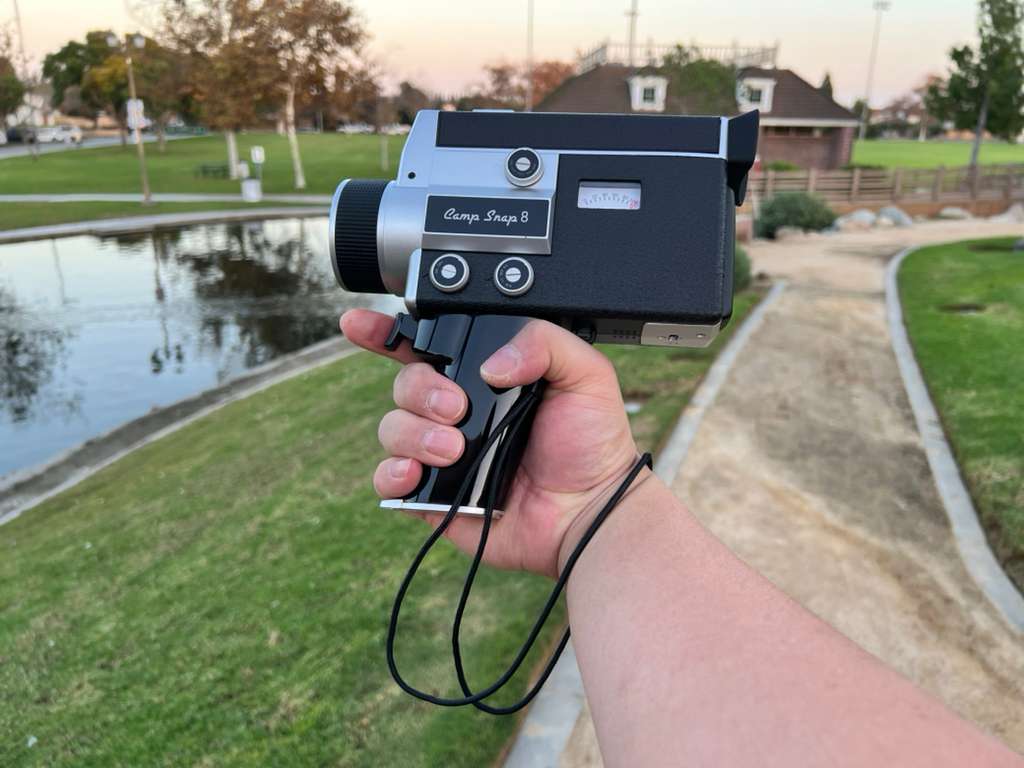
Retro Filmography with Camp Snap’s CS-8
I remembered my family’s old camcorder that was wider than most carry-on luggage and about the same thickness (ok, I exaggerate but it was bulk). We also had to carry a bag of extra batteries and VHS tapes because it could only shoot a fraction of what our smartphones can hold today. I didn’t have a Super 8 back in the days and it was very expensive, but I can relive the retro dream with Camp Snap’s CS-8 camera (https://www.campsnapphoto.com/products/cs8). It only comes with the camera, a pre-installed 4GB microSD card, USB-C charging cable, and no lanyard.
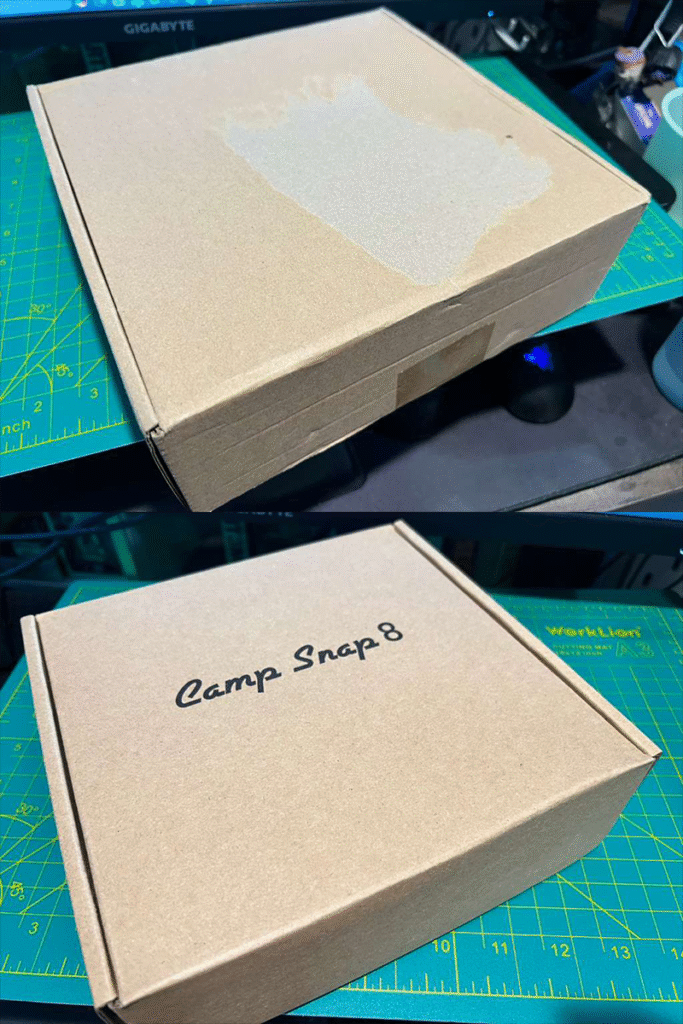
Minimum packaging is awesome. It came bubble wrapped and pristine in condition. You can see the content that was included. You get all the stuff necessary to get yourself up and running, but I’ve opted to add a bit more.
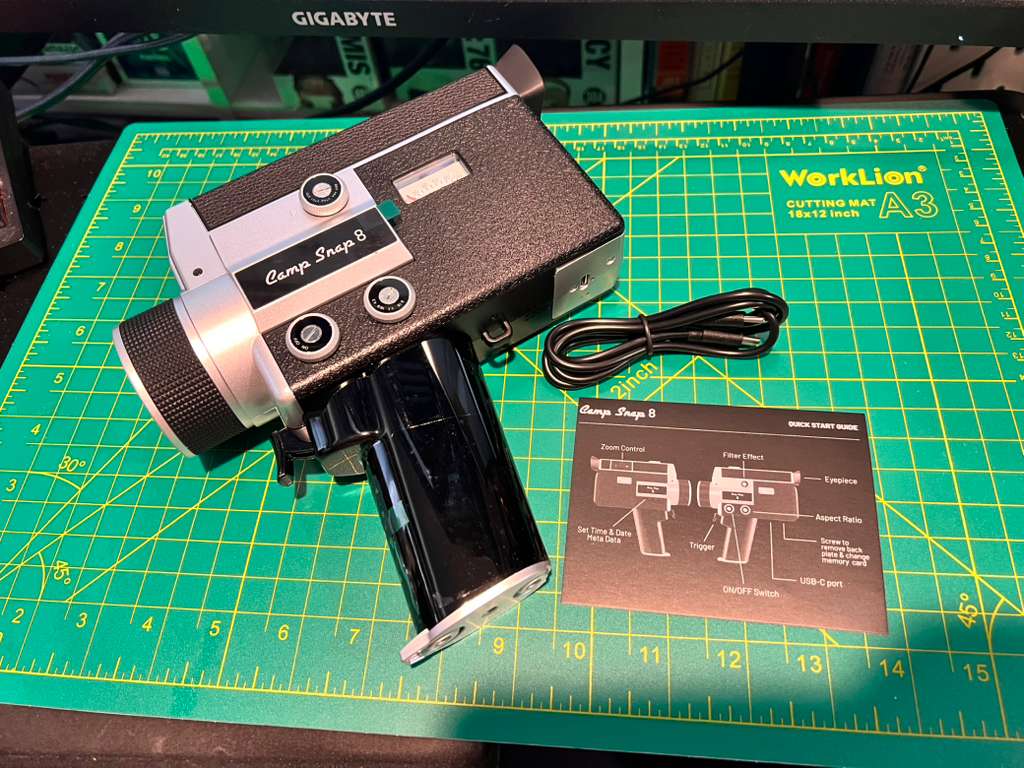
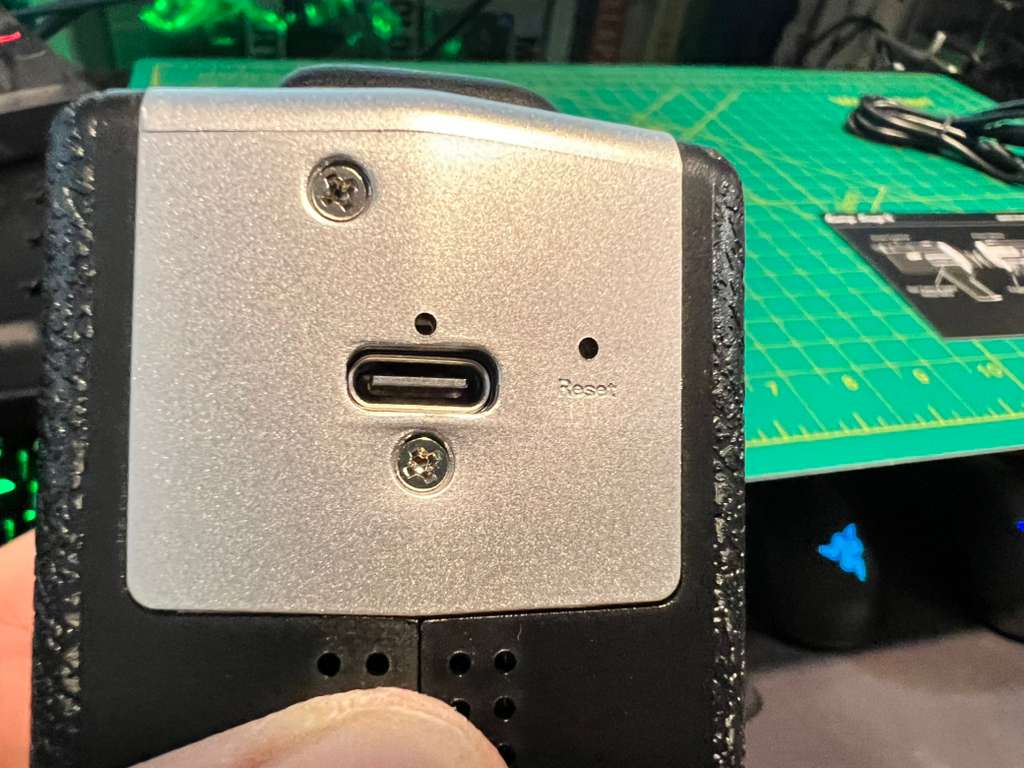
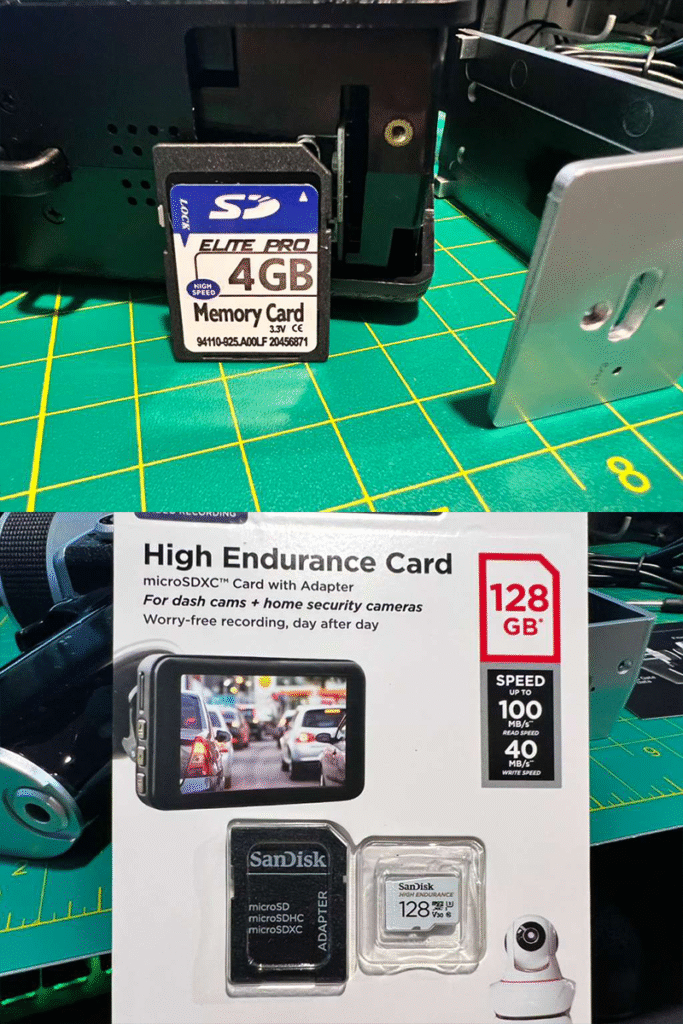
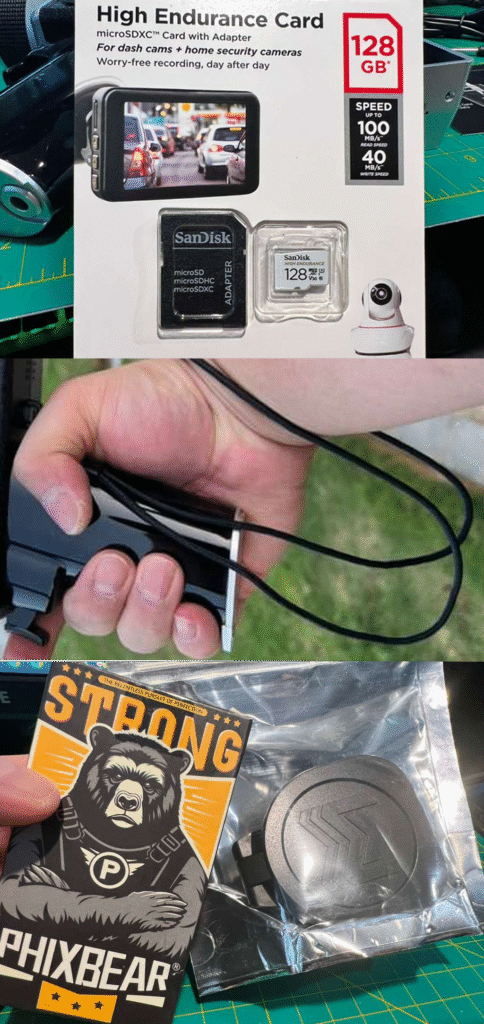
Here comes the fun part. Installing a new SD card to expand it to the maximum 128 GB. I opt for a high endurance SanDisk card (link) since I am not going to be swapping the card as much and it’ll be running for longer than a photo camera. That bumps the 30 minute recording time with the pre-installed 4GB card to 16 hours with the new 128GB card. That should be enough for birthday parties, catching my son running around, theme park visits, family gatherings, and road trips.

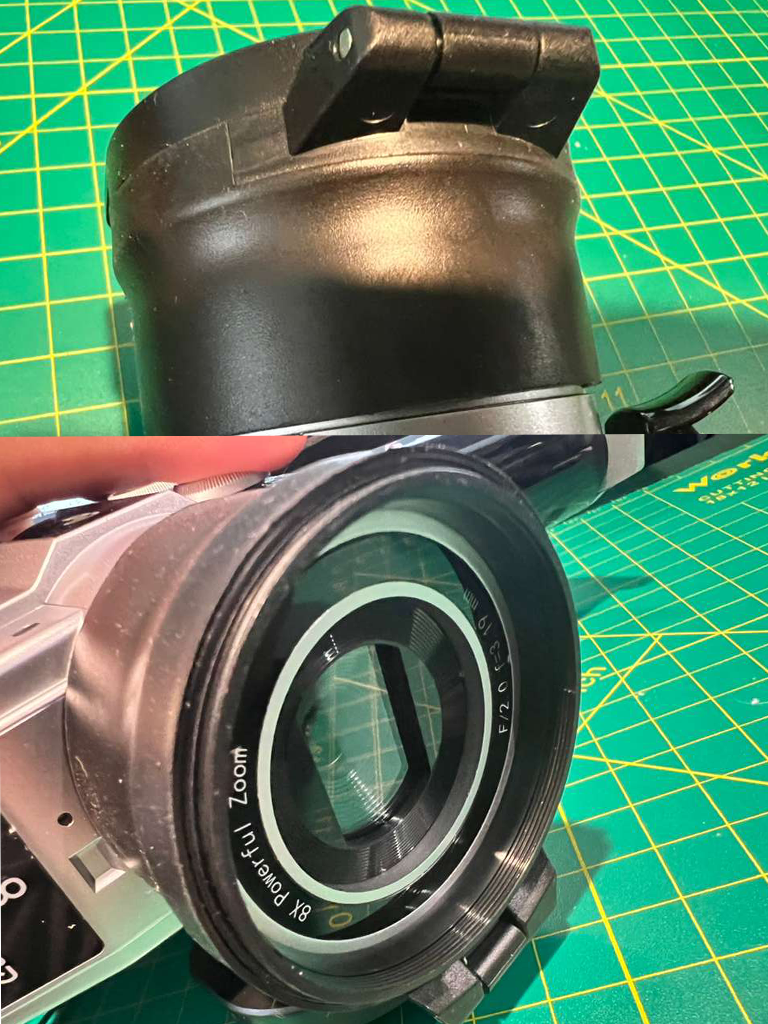
The next upgrade I wanted to do was protect the camera lens as I lug it around. The lens can use a 55-62 mm lens cap but I opt for something that remained on the camera. This rubberized version for rifles, Monstrum Rubberized Flip-Up Rifle Scope Lens Covers (55-62 mm), seem to work well. Just note that installing it to flip to the side works better than flipping up or down. You don’t want it to flip up and cover the microphone. You just flip it to the side and you’re good to go in a snap. Also, you’ll feel like a real analog pro with the hinge flip cover.
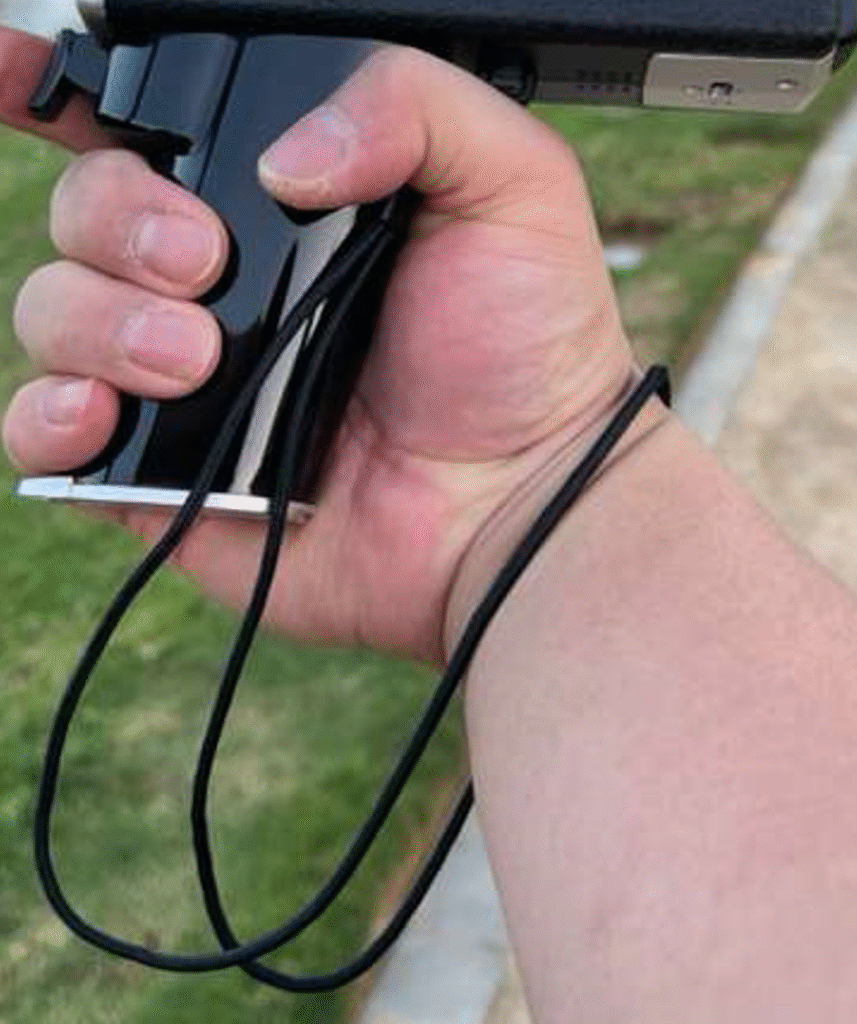
Last upgrade I needed before taking it out for a spin is a lanyard. I didn’t pick a wrist lanyard since I knew that being parent meant that you’ll have other things to carry including your kiddo. Instead, I got an 18-inches and 3 mm thick neck lanyard. This meant that I could wrap it around my wrist for a make-shift wrist lanyard or let it go to the full length for a neck lanyard. I can then toss the camera behind me as I pick up my kiddo, diaper bag, or whatever my kids hands me (i.e., sippy cup, half-eaten food, snack bag, etc.). This set up works well and still allows me to carry the camera around.
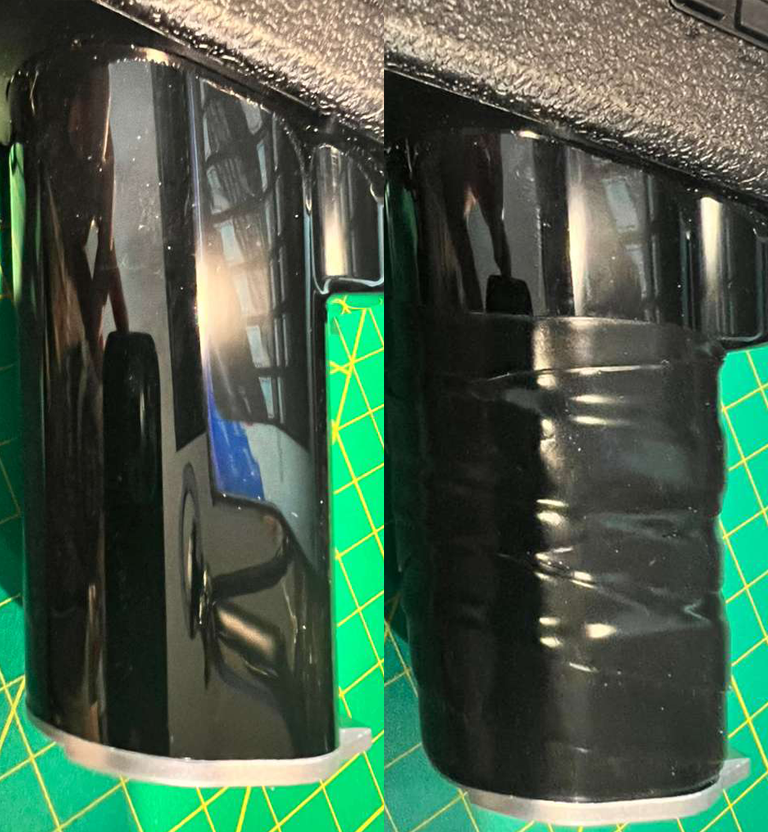
I’ve also thought about the grip (left in pic). It’s hard plastic and doesn’t have the grippy feel that even selfie sticks have. Also, it seems like it could scratch over time so I had to think about wrapping it with something like a baseball bat or tennis racket so I bought non-glue type wrap that adhere to itself. Phixbear’s 1.1 mm silicon sports tape seemed to do the trick. After I wrapped it (right in pic), it felt more secured in hand and less prone to losing grip on it.
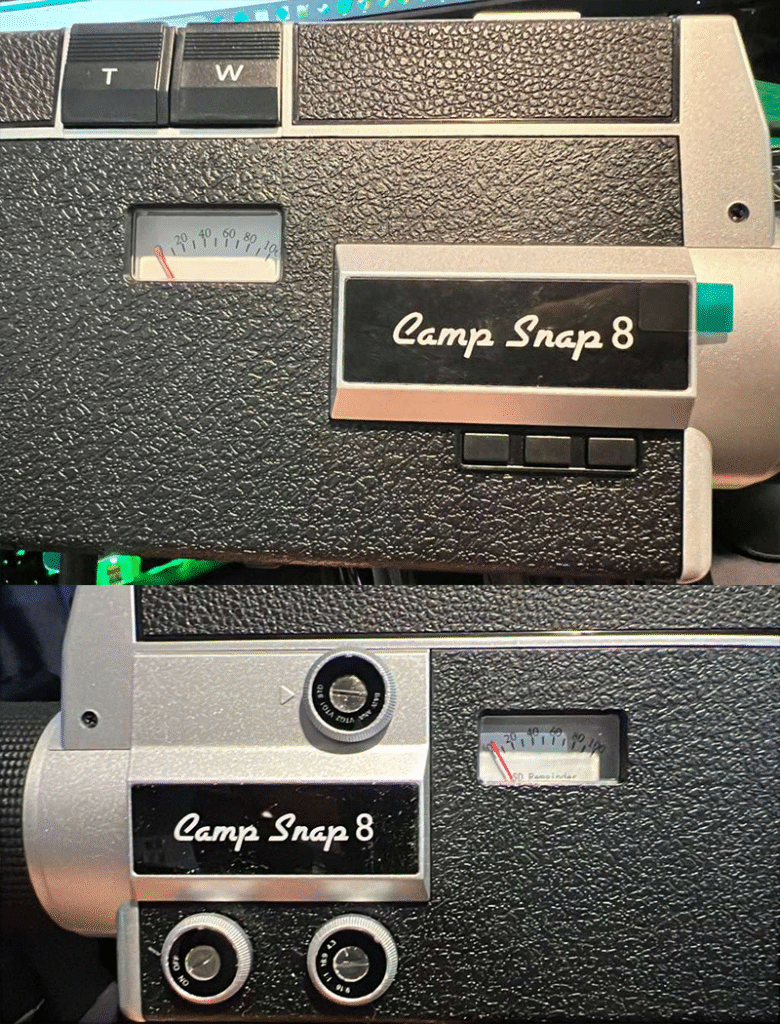
CS-8 Spec Overview
Dimensions: 8.75×8.25×2.75 in
Max resolution: 2.7K (2704 x 1520) at 30fps in Standard (STD) or using one of the four filters of B&W, Vintage 1 (soft faded colors), Vintage 2 (warm, nostalgic tones), and Analog mode (18fps with a “home movie” look and added grain).
Aspect Ratio: 9:16 (Reels), 16:9 (cinematic widescreen), 1:1 (social squares), and 4:3 (classic film/home movie feel)
Lens: Fixed 3.29mm f/2.0.
Zoom: 8x digital zoom.
Focus: Fixed
Stabilization: None (keep it steady!)
Screen: None and no playbacks until you access it later
Controls: Analog dials and SD card meter for “fullness”
The Upgrades
SanDisk 128 GB MicroSD card with adapter
uxcell Nylon 18 inches length and 3 mm thick woven nylon lanyard
Monstrum Rubberized flip-up rifle scope lens cover (55-62 mm outside diameter)
PHIXBEAR’s Baseball bat grip tape, 1.1 mm silicon material with self-fusing action (no glue residue)
Various vinyl stickers to customize and personalize your camera
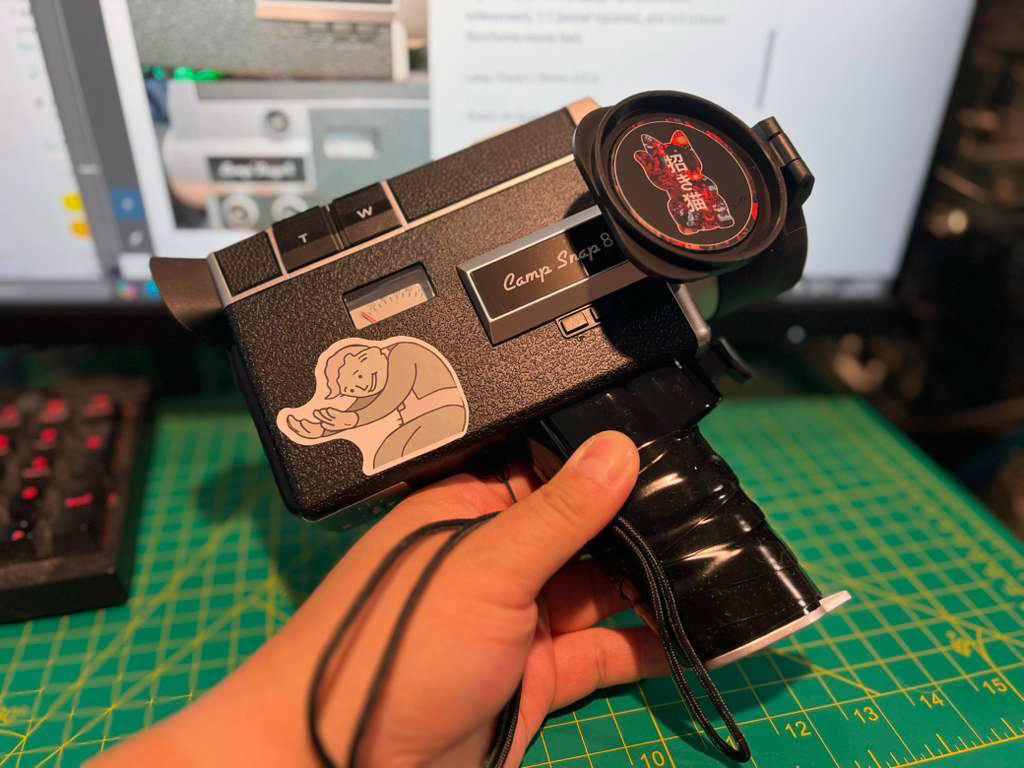
I’m sure I’ll be adding more stuff to it and customizing it up the yin-yang. It’ll have its own personality and form in time. Remember, it’s all about capturing the moment and being in the moment.
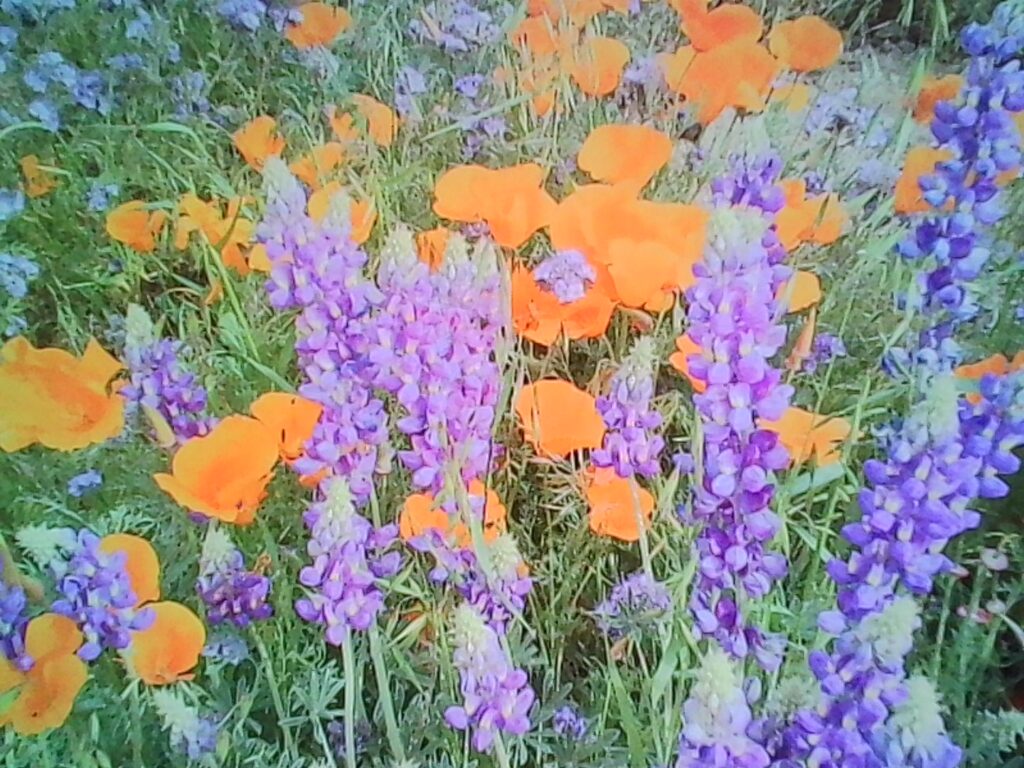
Among the Poppies: Antelope Valley in Bloom
There are certain places that only reveal themselves for a short while each year. The…

A Few Days After Lunar New Year
It’s already been a few days since Lunar New Year passed, and yet I keep…

When it rains in California
Rain in California carries a different weight than it does in places where storms are…