
The malls are dying—or at least that’s the common narrative—but not all of them have faded away. Some still feel alive, not because of the stores themselves, but because of the food that anchors them. Even when retail spaces shrink or change, the food courts remain places of movement, pause, and familiarity. In many ways, they’ve outlasted the original purpose of the mall itself.
Mall food exists in a space of its own, separate from fair food’s spectacle or food trucks’ street-side creativity. It’s practical, fast, and quietly inventive. These meals are shaped by line cooks who know how to deliver flavor efficiently, without turning the process into a performance. There’s no showmanship here—just consistency, repetition, and getting people fed.
A Familiar Pause in Motion
What makes mall food interesting is its familiarity paired with surprise. These are meals designed to be eaten between errands, after long walks through corridors, or during unplanned stops. You don’t usually come to a mall specifically for the food—it finds you when you need a break.
The chefs work within limitations: small kitchens, high volume, and constant turnover. And yet, those constraints often lead to unexpectedly good creations. There’s an honesty to mall food that doesn’t try to reinvent itself. It doesn’t chase trends or presentation. It simply aims to satisfy, and most of the time, it succeeds.
Food That Matches the Space
Mall food makes sense because it reflects the environment it lives in. It’s portable, efficient, and familiar. You eat it quickly, but not carelessly. It’s food meant to support movement rather than demand attention. You sit, refuel, and then continue on your way.
That rhythm is important. Malls were never meant to be destinations for lingering meals—they were transitional spaces. And the food adapted accordingly. Even now, when fewer people shop the way they once did, that rhythm still exists in pockets.
Nostalgia on a Tray
I don’t usually think about mall food courts when deciding where to grab a bite or drink anymore. But sometimes, you just want to walk through a piece of the past. Malls are probably one of the clearest remaining representatives of ’80s and ’90s culture—enclosed spaces built around wandering, browsing, and spending time without a strict purpose.
For many of us, mall food is tied directly to memory. It’s tied to weekends, family outings, after-school hangouts, and long afternoons with nowhere else to be. The smell of certain foods, the sound of trays sliding, the hum of conversation—all of it brings back a specific era.
Changing Spaces, Lasting Foods
Most malls will eventually close or change in some way. Some will be redeveloped, others repurposed, and many will simply fade out. But I think a few will remain—not as they once were, but as something quieter and more focused.
And with malls, we’ll always have mall foods. Even if the storefronts rotate and the foot traffic slows, the idea of quick, comforting meals in shared spaces will persist. Those food counters become cultural holdovers, quietly preserving a way of life that no longer exists in the same form.
Why Mall Food Is Worth Documenting
That’s why mall food deserves to be captured on its own terms. It reflects a specific moment and setting, tied to wandering, waiting, and taking breaks from motion. It’s not glamorous, and it doesn’t need to be. Its value comes from context.
Even as malls continue to change or disappear, these foods remain small cultural snapshots—worthy of attention, appreciation, and documentation before they quietly vanish too. Mall food may not be celebrated the way other food scenes are, but it carries memory, routine, and familiarity in a way few other places can.
Sometimes, that’s more than enough.
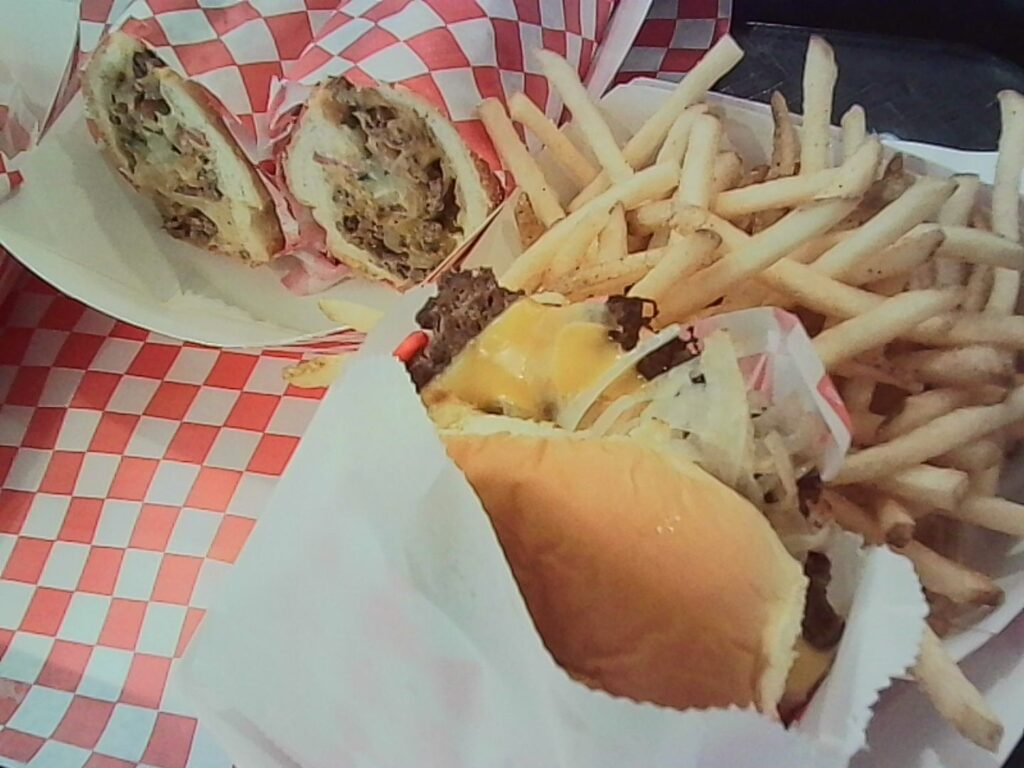
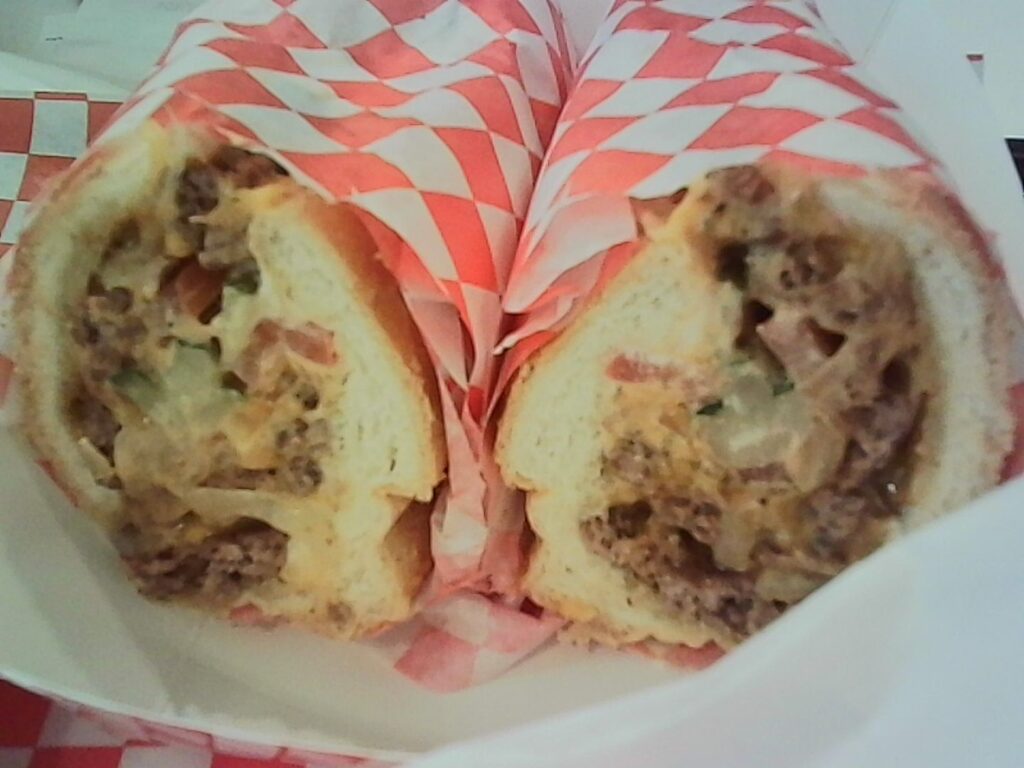
You can see above that the Charmera has a fixed focus when you’re trying to do macro photos. I’ll need to pull back a little more to get it right.
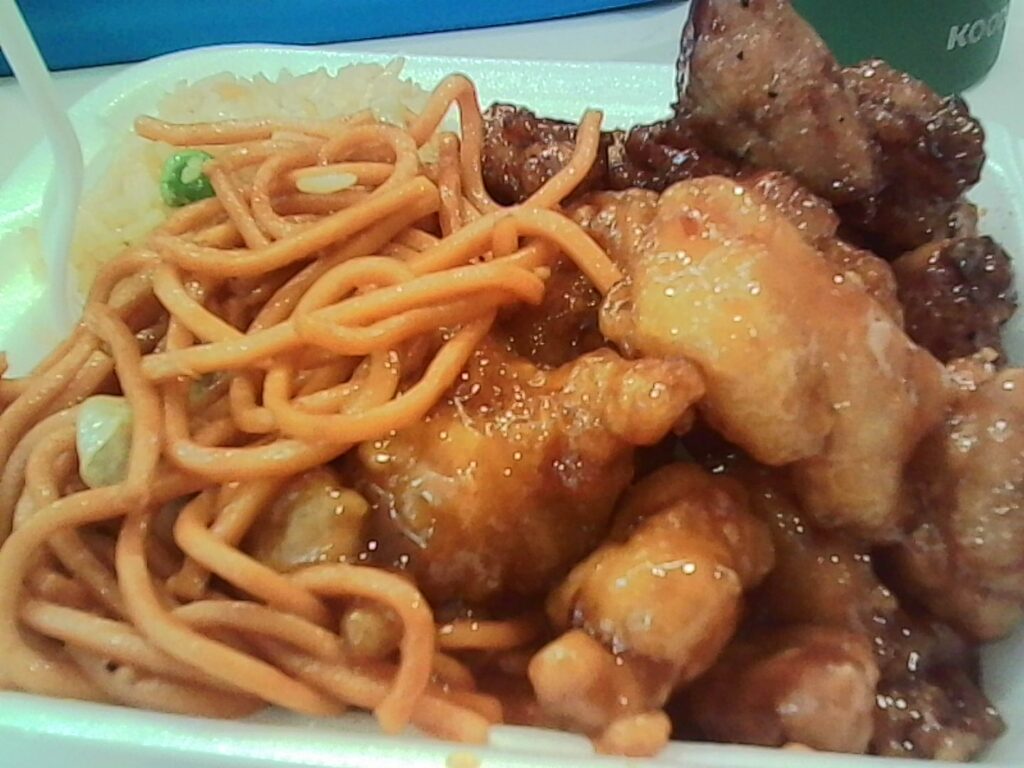
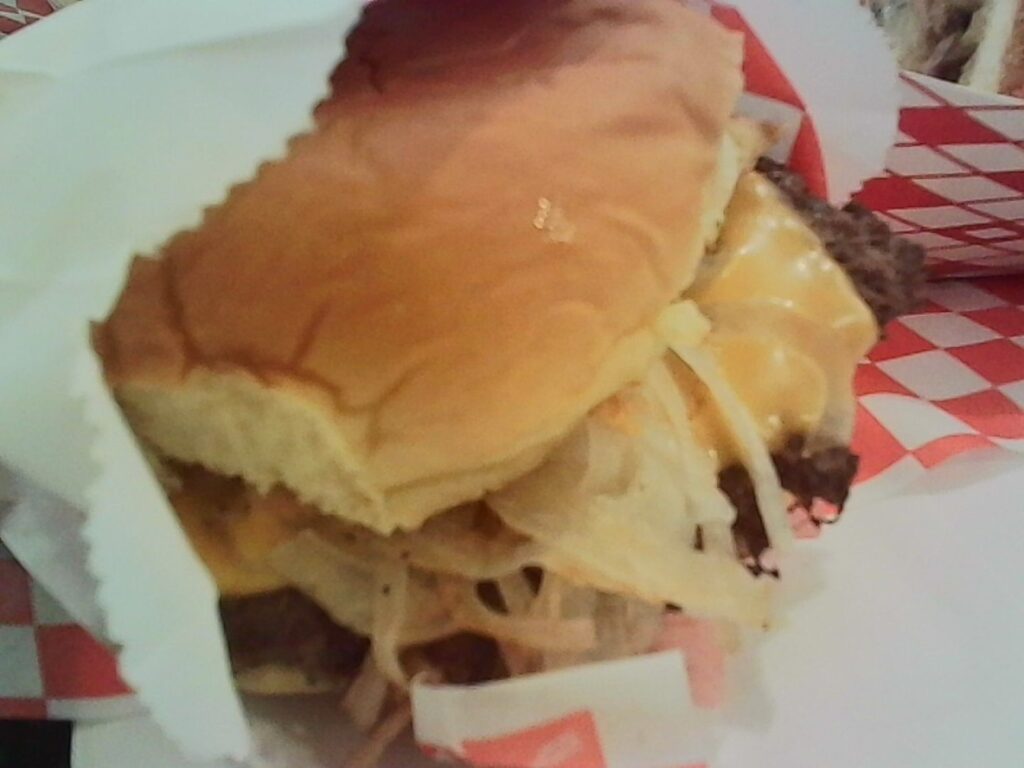
Now, I usually don’t think about the Mall’s food court any more when thinking about grabbing a bite to eat or drink. But, sometimes you just want to walk through a bit of the past and the malls are probably the best representative of the 80’s and 90’s culture. Most will close or change in some way or form, but I think a few malls will still be there in the future. And, with malls, we’ll always have mall foods.