
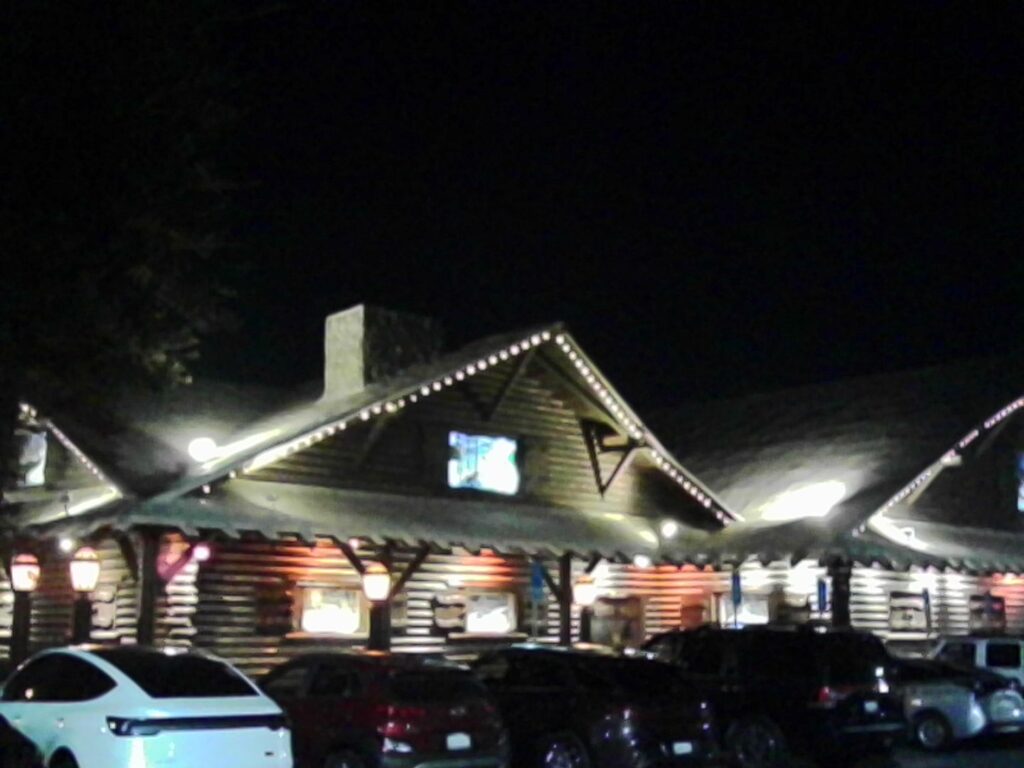
It was both unfortunate and fortunate that the first real test run of the Kodak Charmera happened in the evening. Unfortunate because I already knew—thanks to forums and early impressions—that low light isn’t exactly this camera’s strong suit. Fortunate because it immediately set expectations where they belong. Like many early digital cameras from the late ’90s and early 2000s, the Charmera struggles once the sun goes down, and that’s part of the story worth telling.
I went into it knowing this wasn’t a camera built for night photography or technical precision. The charm of the Charmera has always been about novelty and nostalgia, not clean shadows or perfect exposure. Still, there’s something useful about seeing limitations firsthand rather than reading about them.
Low Light Realities
In low-light situations, details fall away quickly. Shadows collapse, highlights bloom, and textures get lost in the darkness. You can see it clearly in the photos below—the camera does what it can, but physics and a tiny 1.6-megapixel sensor can only go so far. Close-up shots in dim lighting lose clarity, and fine details soften into something more impressionistic than accurate.
That said, it’s not unusable. When there’s enough ambient light—street lamps, storefront lighting, brighter interiors—the Charmera holds together better than expected. It doesn’t magically improve, but it finds its footing just enough to capture the feeling of a place rather than the details of it.

Comparing Expectations, Not Competing Cameras
I included a comparison shot showing a low-light close-up from the Charmera on the left and an iPhone equivalent on the right. It’s not a fair fight, and it’s not meant to be. Modern phones are computational photography machines, stacking exposures and correcting imperfections in real time. The Charmera does none of that.
And yet, it actually performed better than I expected. Not better than the iPhone—but better than my own internal benchmark for a novelty point-and-shoot. The colors held some character, the framing still worked, and the photos felt intentional rather than broken. That distinction matters.

Learning What It’s Good At
After taking a few more shots in brighter environments, the pattern became clear: this camera belongs in sunlight. Open spaces, daylight scenes, sunlit streets, and outdoor moments are where it makes the most sense. Once you accept that, shooting becomes more enjoyable because you stop fighting the tool and start working with it.
I already know I’ll stick mostly to sunlit landscapes and daytime wandering with the Charmera. I’m also planning a future post comparing daylight and direct sunlight scenes, where I think the camera will really show its personality.
Battery Life and Use Case
As for battery life, it’s surprisingly reasonable—as long as you treat it like what it is. Used strictly as a point-and-shoot still camera, the battery lasts comfortably through a day of casual shooting. I didn’t feel like I was constantly watching the battery meter or worrying about it dying mid-moment.
Video mode is a different story. I noticed the battery drains much faster when recording video for extended periods. Based on my experience, I’d estimate around 30–40 minutes of continuous video before the battery gives up. But that’s fine—this camera was never meant to be a camcorder replacement (video device, for you young’uns).
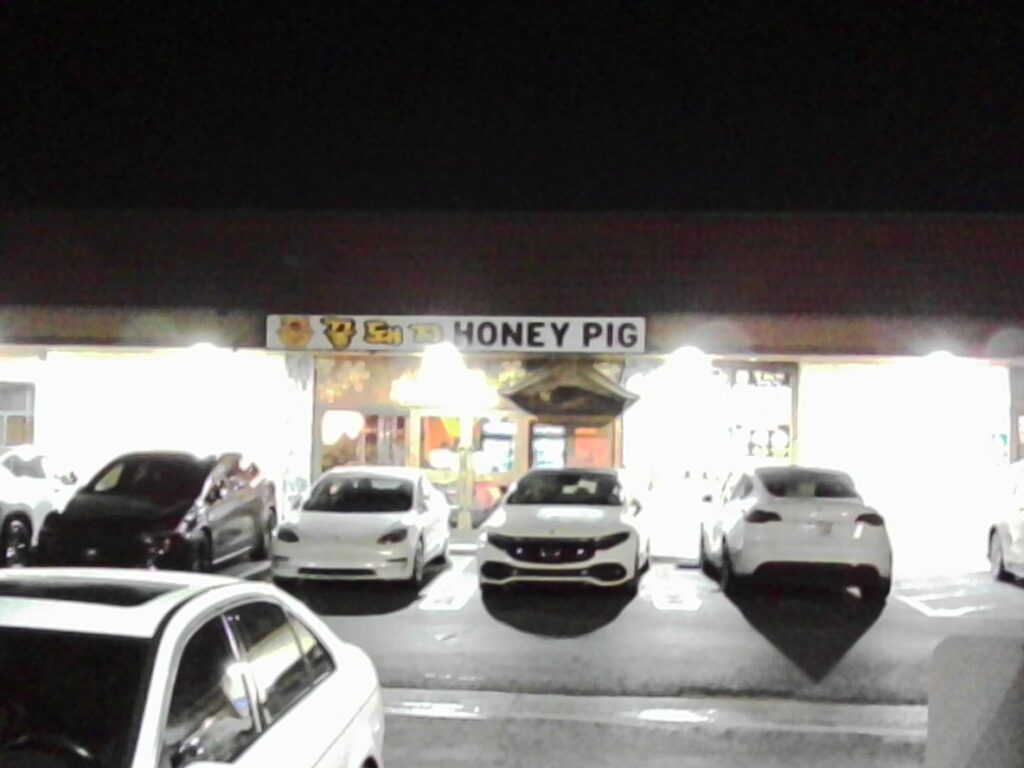
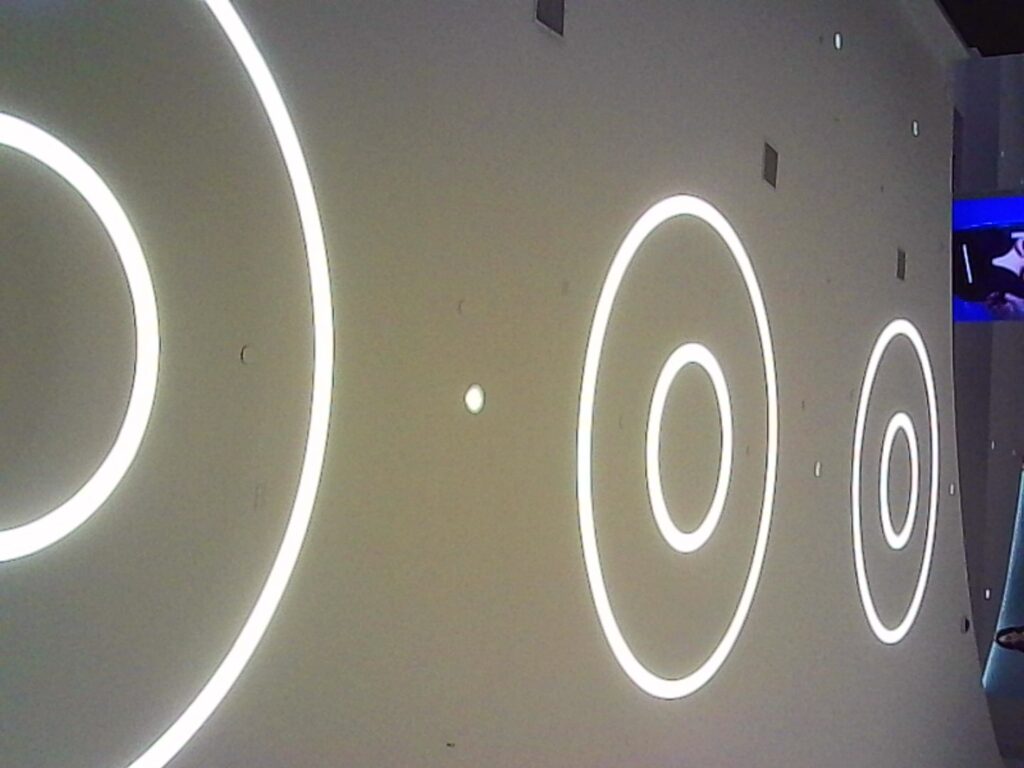
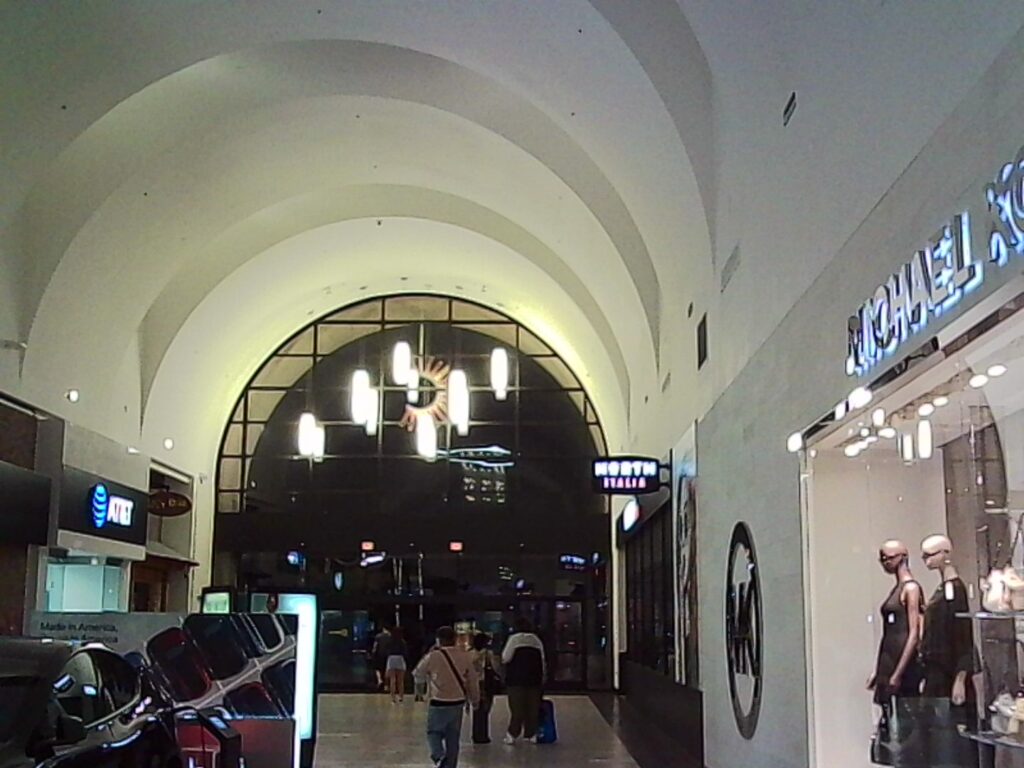
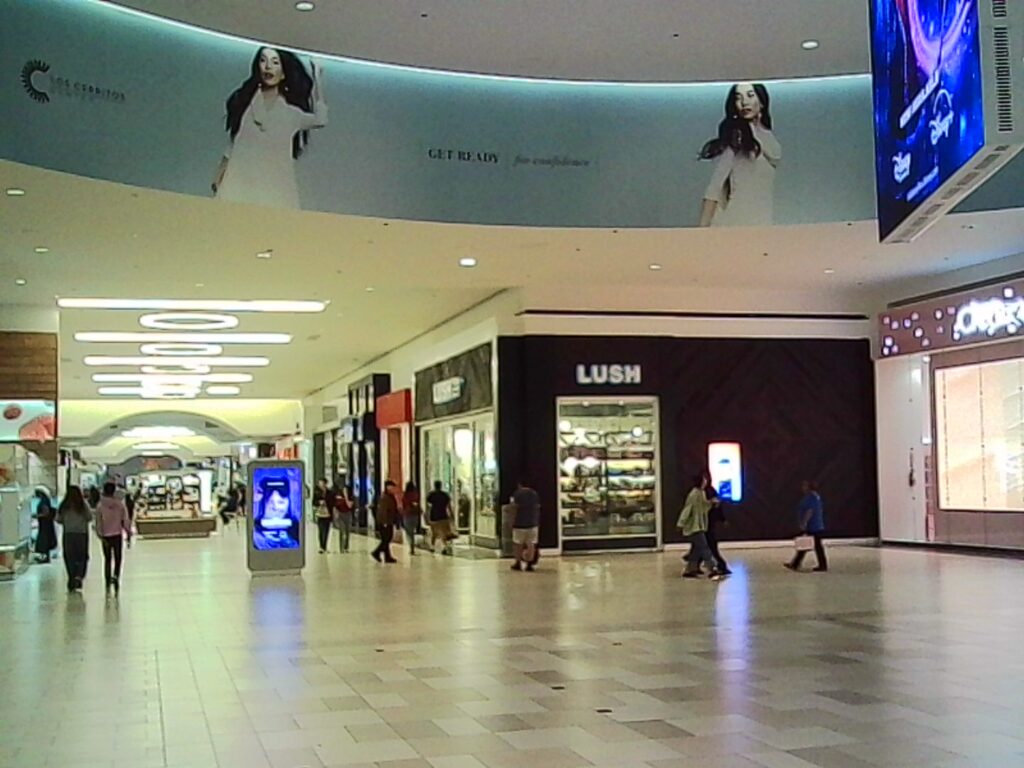
Here’s a few more just to cap off the first day of exciting Charmera photography.

Ending the First Day Right
At the end of the day, this first evening with the Charmera did exactly what it was supposed to do. It showed me the limits, highlighted the strengths, and reinforced why I wanted it in the first place. The charm lives in the imperfections, the softness, and the feeling of capturing moments without overthinking them.
Here are a few more shots to cap off the first day of Charmera photography. Not perfect, not polished—but honest, nostalgic, and quietly satisfying.