
Well, it finally arrived — the tiny nostalgia-packed point-and-shoot camera that has everyone talking. The Kodak Charmera is a miniature digital keychain camera that pays playful homage to the disposable cameras of the late ’80s, especially the classic Kodak Fling that defined casual snapshot photography for a generation. The Kodak Charmera (check Amazon for availability here: https://amzn.to/3W8XLwF)
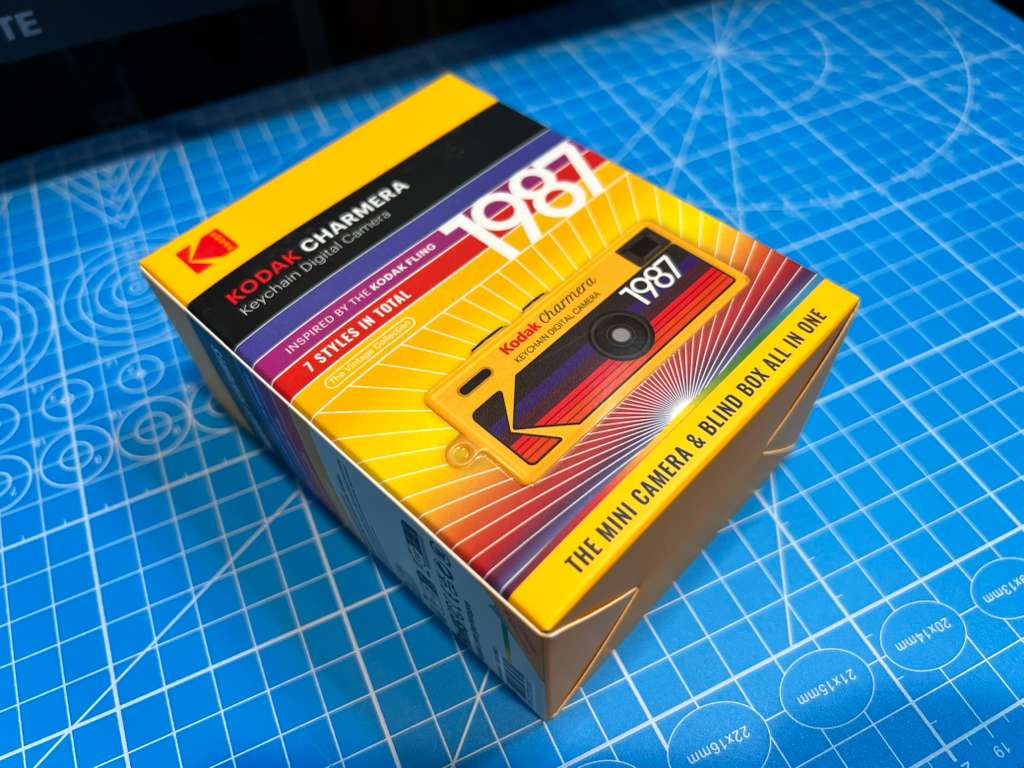
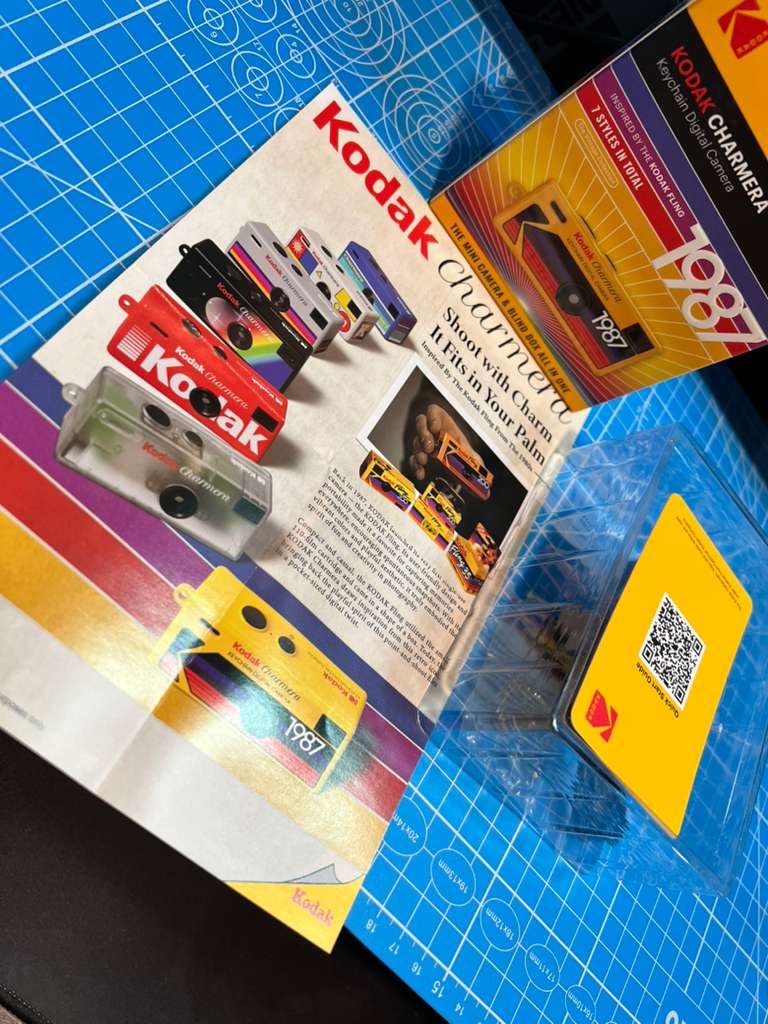
The blind box packaging leaned into that same nostalgic energy right from the start. Opening it felt like unwrapping a piece of childhood — the kind of anticipation you remember from pulling out retro tech or memorabilia from decades past. Along with the camera itself came a mini poster and collector card, amplifying that “first-time experience” feeling.
The card and mini poster also added to the effect. It had me feeling the same way when I opened the NES Classic from Nintendo. The way the whole thing was packaged gave the maximum effect of opening the box for the first time in the late 80’s.
A Tiny Camera With Big Personality
At its core, the Charmera is extremely compact — only about 2.2 inches wide and weighing roughly 30 grams — and it’s designed more for charm than technical excellence. It uses a tiny 1.6-megapixel CMOS sensor and a fixed 35 mm f/2.4 lens to capture photos and 1080p video, and while the image quality won’t replace your main camera or smartphone, it produces soft, playful images that feel vintage rather than clinical. Built-in filters and retro frames make it easy to give shots a stylized look right out of the camera, without needing post-processing.
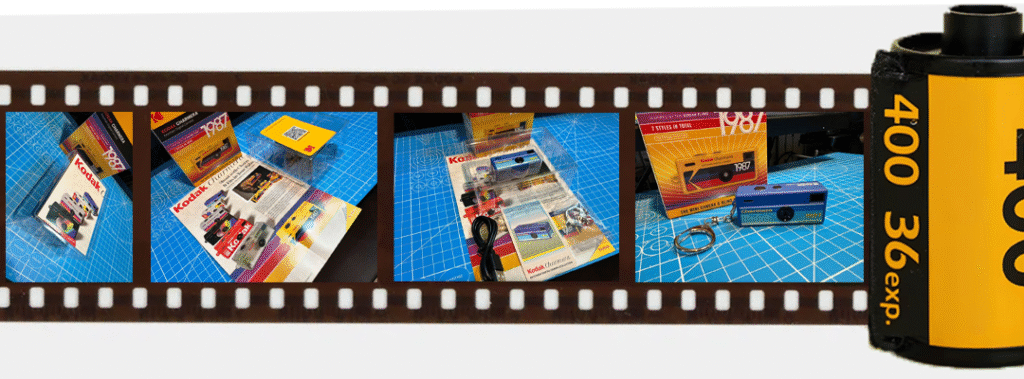
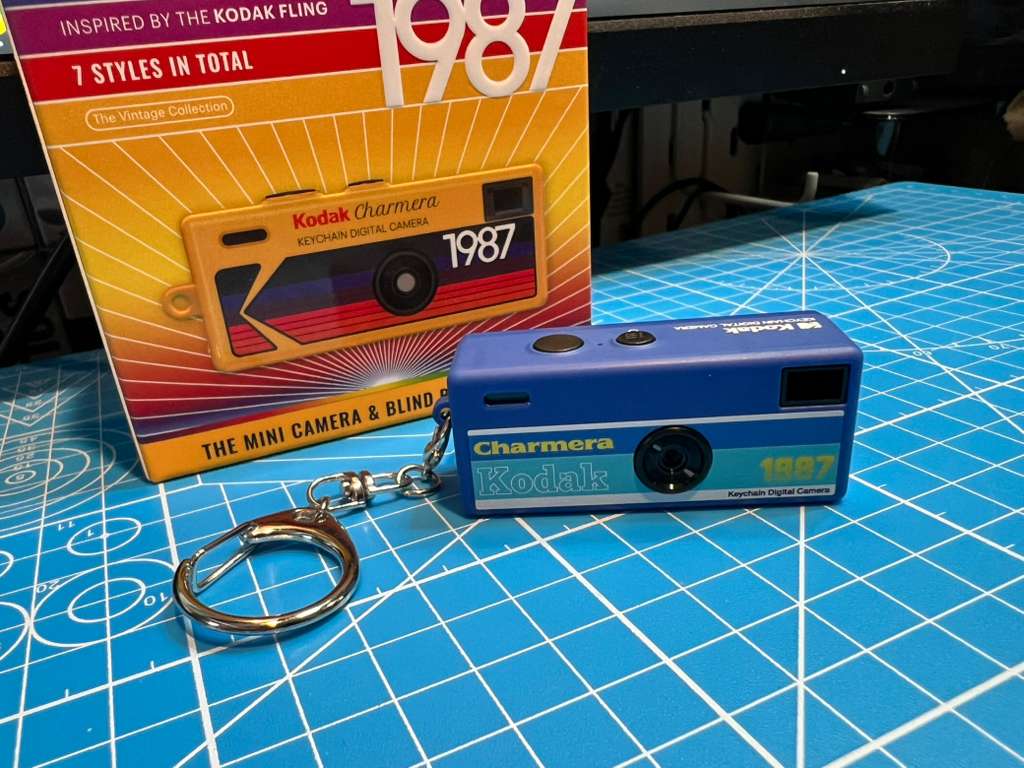
I was able to get the blue version (any would’ve done it for me) and was happy with how it looked. I don’t know why but this one reminds me of summer camp, trips the woods, and even a trip with friends out to the city scene. It’s one of those type of things you would stash into your back pocket for in-the-moment captures and didn’t really get in the way like smartphones do.
Setup and First Impressions
Getting started was straightforward once I figured out the storage format. Initially I wasn’t sure whether it used full-size SD or microSD, but it turned out to take microSD cards — I opted for a 64 GB card that offered plenty of space without breaking the bank. That balance feels appropriate for a device like this: inexpensive, playful, and ready to capture a day’s worth of memories without distraction.
Charging is handled via USB-C, which feels modern and convenient. Once power was topped up, I paired it with microSD storage and prepared to take the Charmera on my next outing.
The QR code on the card about the camera directed you to the quick start site: https://www.kodak.retopro.co/pages/kodak-charmera-keychain-digital-camera-quick-start-guide . It wasn’t clear at first from the directions (before I got the camera) whether it used a normal SD card or a micro SD card. Once you had the camera on hand, you can see that it takes only microSD cards. I opt for the SanDisk 64GB card (the sub $20 pack came with two just in case and it comes with an adapter for full size SD if you needed it) that balanced price for performance and would suit the needs of this 1.6 megapixel camera.
I’ve plugged in the USB-C charger chord that comes with it and await for it to full charge before taking it on a trip for nostalgic photography. Let’s hope it captures the moment just like the old days. Just a reminder that you don’t really need a large micro SD card for this because you’ll probably have more than enough for a day or two before unloading with a 64 GB card. My card says 99999 because of the large amount of photos it can store on the micro SD card.
How It Feels to Shoot With
From what I’ve read and experienced so far, light matters most. This camera performs best outdoors or in well-lit environments — bright daylight and indoor spaces with lots of natural light give the most pleasing results. That feels just right for a casual, fun camera: no need for perfection, just capturing the moment with personality.
I’m planning to take it along on future trips, especially places where I want to document the vibe more than pixel-perfect details. After all, the real joy of the Charmera is in being present and collecting memories, not obsessing over specs.
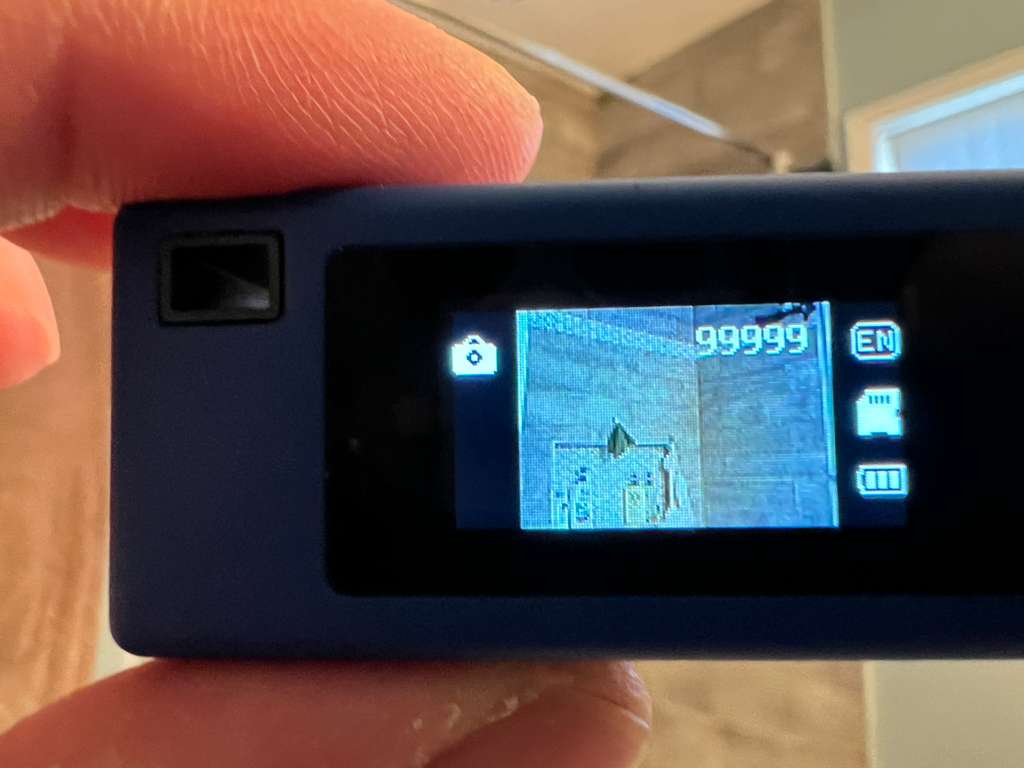
From what I’ve read on forums, day time and indoors with a lot of light are the most optimal for this tiny point-and-shoot. I’ll be keeping to that but I’ll try some dark and night shots just in case. Remember, it’s all about having fun with this.
Takeaway:
The Kodak Charmera isn’t about ultra-high resolution or professional quality — it’s about fun, memory, and nostalgia. Its quirky aesthetic and playful limitations are exactly what make it special, turning everyday moments into little reminders of analog magic in a digital world.