
There are places that feel carefully designed, and then there are places that feel discovered. The South Coast Botanic Garden in the Palos Verdes Peninsula sits somewhere in between. It’s curated, but not rigid. Shaped, but still allowed to breathe. Walking through it feels less like entering a destination and more like stepping into a slower rhythm.
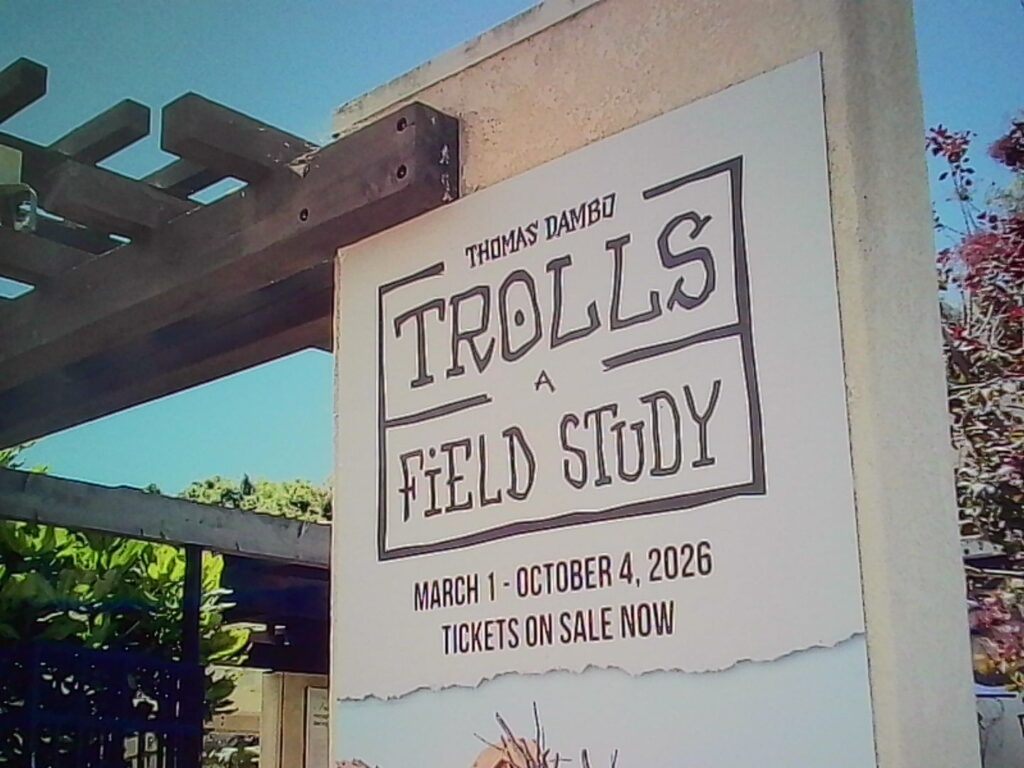
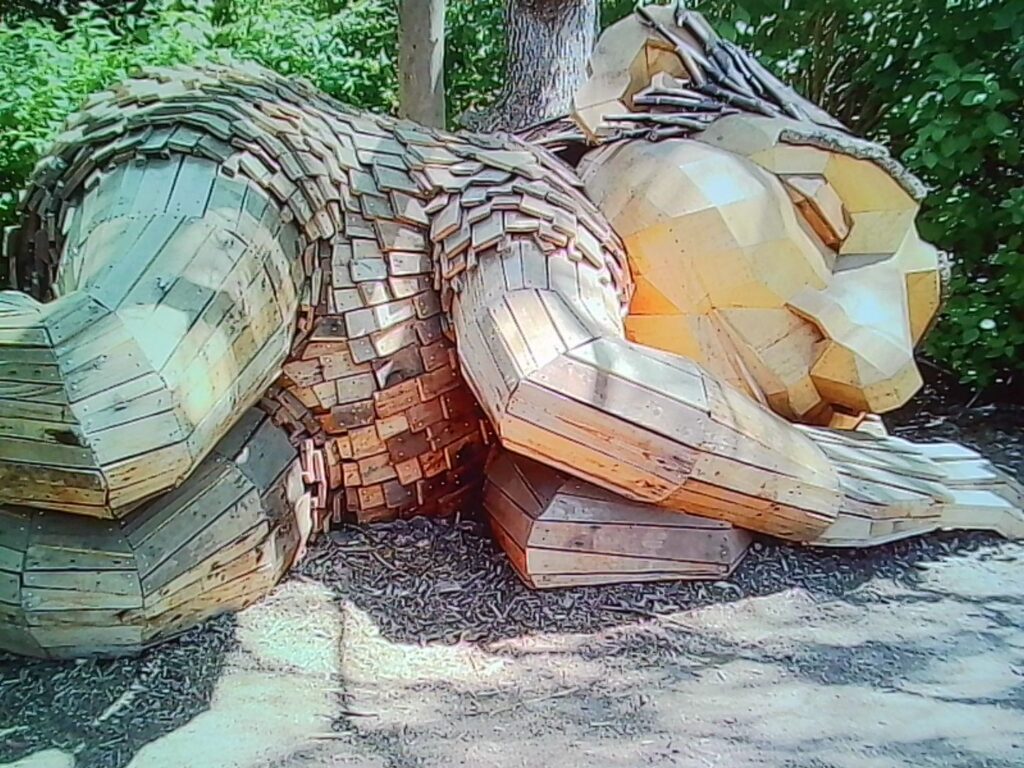
We visited as a family during the time when the Thomas Dambo trolls were scattered throughout the garden — large wooden figures tucked into the landscape as if they had always been there. The combination of scale and detail created something unexpected: a space where imagination and nature quietly overlap.
First Impressions of the Garden
The garden doesn’t overwhelm you at the entrance. It unfolds gradually. Paths curve gently, trees filter the light, and the sounds of the outside world begin to fade. There’s no urgency to move quickly. In fact, the space encourages the opposite.
With family, that pace becomes even more noticeable. Conversations stretch out. Steps slow down. You begin to notice things you might otherwise pass by — the texture of leaves, the way light shifts through branches, the small pockets of stillness between larger displays.
It’s the kind of place where time doesn’t stop, but it softens.
Discovering the Trolls
The Thomas Dambo trolls aren’t placed in obvious spots. You don’t walk in and immediately see them all. Instead, you encounter them gradually, almost by surprise.
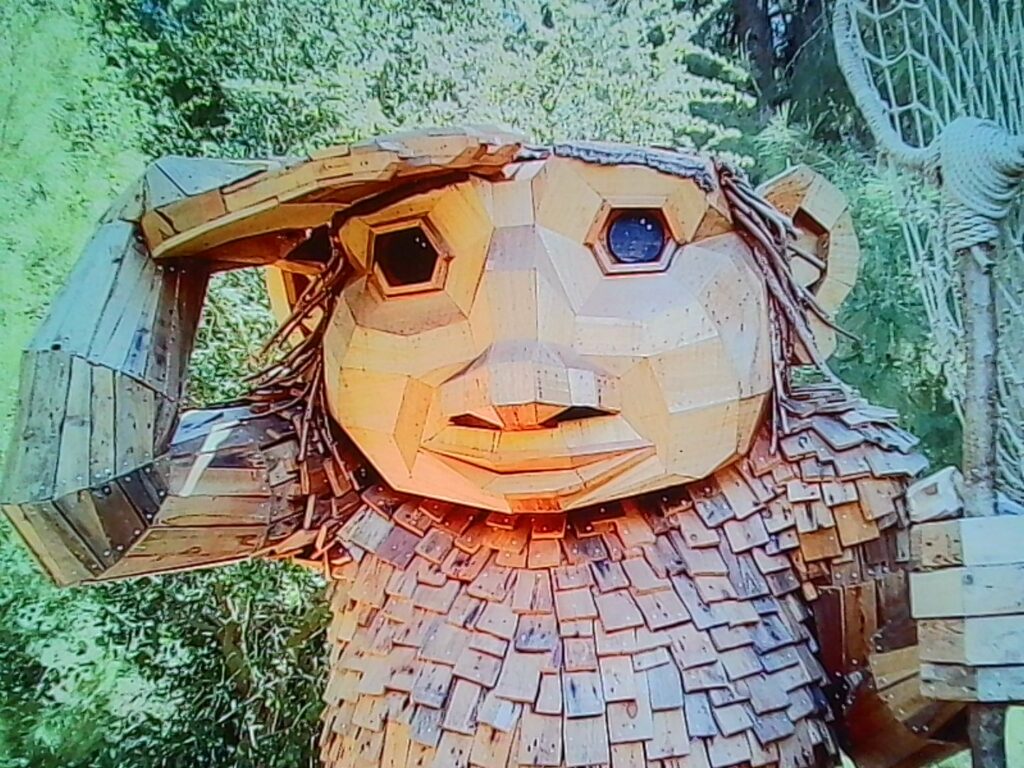
Turning a corner and suddenly finding one of these large wooden figures changes your sense of scale. They’re massive up close — built from reclaimed wood, with expressive faces and postures that feel both playful and grounded. They don’t feel like installations dropped into the environment. They feel integrated, as if they belong there.
Standing next to one, you realize how intentionally they were designed. Not just in size, but in how they invite interaction. People don’t just look at them. They walk around them, stand beside them, take photos, and pause longer than they expected to.
For children, the trolls spark curiosity and imagination. For adults, they bring something quieter — a reminder that not everything needs to be interpreted immediately. Sometimes it’s enough to simply observe.
Scale, Seen Up Close
Seeing the trolls in photos doesn’t quite prepare you for what they feel like in person. Up close, you notice the texture of the wood, the imperfections in the construction, the way each piece contributes to the whole. They’re not polished. They’re assembled. That makes them feel more human.
There’s a certain humility in that kind of scale. Something large, but not overwhelming. Something detailed, but not perfect.
Walking among them, I found myself slowing down without thinking about it. Not because I needed to capture the moment, but because the moment asked for attention.
The Rose Garden
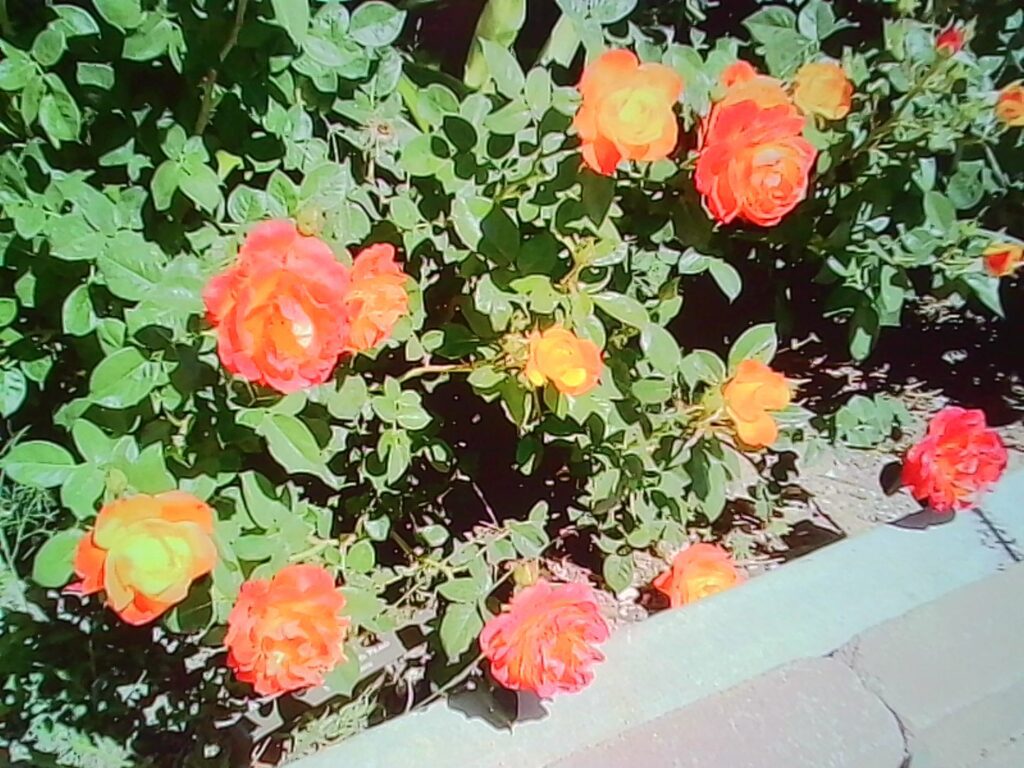
Not far from the larger installations, the rose garden offers a different kind of experience. Where the trolls command space, the roses invite you to lean in.
Rows of blooms stretch across carefully maintained beds, each flower carrying its own variation in color, shape, and scent. The air shifts here. It feels softer, more contained. The movement of the wind is gentler. Conversations become quieter.
Up close, the roses reveal their own complexity. Layers of petals, subtle gradients in color, edges that aren’t perfectly symmetrical. They don’t need to be.
Taking photos here feels different than photographing the trolls. Instead of capturing scale, you’re capturing detail. Instead of stepping back, you move closer. The experience becomes more intimate.
Light, Movement, and Presence
The garden changes with light. Midday brings brightness that flattens shadows and sharpens contrast. Later in the afternoon, everything softens. Colors deepen. The space feels warmer.
Walking through with family, those shifts become part of the experience. You’re not just moving through space — you’re moving through time within that space. The same path feels different depending on when you walk it.
There’s no need to rush. The garden doesn’t reward speed. It rewards attention.
A Place for Small Moments
What stood out most wasn’t any single installation or section. It was the accumulation of small moments.
A pause on a shaded bench.
A child pointing at something just discovered.
A conversation that drifts without urgency.
The sound of footsteps on a quiet path.
These are the things that stay.
Places like this create space for those moments to happen naturally. They don’t need to be planned or framed. They unfold on their own.
Photography, Then Stepping Back
I brought a camera along, as I usually do, but it became clear early on that not everything needed to be captured. The trolls were striking. The roses were detailed. But some of the most meaningful parts of the day happened in between.
There’s always a balance to be found between capturing a moment and fully living it. It’s easy to stay behind the camera, reaching for one more photo. But some moments ask for presence instead.
Walking alongside family, hearing conversations, noticing the rhythm of the space — those experiences don’t translate fully into images. And that’s okay.
Leaving Slowly
As the day came to a close, the garden didn’t push us out. It allowed for a gradual exit. The same paths we walked earlier felt different on the way back — quieter, more familiar.
The trolls remained where they were, still integrated into the landscape. The roses continued to bloom. Nothing had changed, and yet the experience felt complete.
Driving away, the noise of the outside world slowly returned. But something from the garden stayed — a sense of calm, a reminder to slow down, a memory of shared time that didn’t need to be extraordinary to matter.
What Remains
The South Coast Botanic Garden isn’t just about what’s on display. It’s about how you move through it. How you notice. How you share the experience with the people around you.
The trolls bring scale and imagination.
The roses bring detail and stillness.
The space between them brings everything together.
And in the end, what remains isn’t just what you saw.
It’s how you were there.